4 Vintage Paper Backgrounds: Timeless Textures for Modern Design
There's something undeniably captivating about aged paper—the way it whispers stories of the past through its subtle creases, warm tones, and delicate imperfections. Whether you're designing a wedding invitation, crafting social media content, or building a brand with historical depth, the right background can transform a flat digital canvas into something with soul. That's exactly what thoughtfully curated vintage paper backgrounds offer: a bridge between modern creativity and the tactile beauty of bygone eras.
Why Textured Backgrounds Matter in Visual Storytelling
Design isn't just about clean lines and sharp edges. Sometimes, the most compelling visuals embrace imperfection. A weathered parchment texture can instantly communicate heritage, authenticity, or romance. Think about a small-batch candle brand using an aged paper backdrop for product photography—the texture reinforces the artisanal quality without a single word. Or consider a travel blogger layering text over a subtly stained vintage sheet to evoke the feeling of old journal entries. These aren't just decorative choices; they're strategic ones that deepen audience connection.
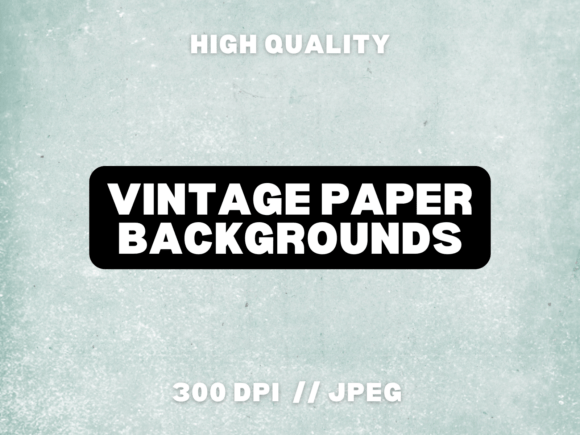
The four vintage paper backgrounds in this collection are designed with that philosophy in mind. Each one carries distinct characteristics—some lean toward warm sepia tones with gentle foxing, while others feature cooler, more muted grays with visible fiber patterns. This variety means you're not locked into a single aesthetic. You can match the texture to the mood of your project, whether it's rustic, elegant, nostalgic, or scholarly.
Practical Applications Across Creative Fields
Let's talk about where these textures actually work in real-world projects. If you're a freelance designer handling multiple clients, having a library of versatile backgrounds saves hours of searching for the right mood. Here's how different professionals might use them:
- Brand Identity and Packaging: For businesses rooted in tradition—think artisan bakeries, craft distilleries, or boutique bookshops—these backgrounds can become part of the visual identity. Use them on product labels, shopping bags, or loyalty cards to reinforce a handcrafted narrative.
- Digital and Print Marketing: Social media graphics gain immediate depth when layered over textured paper. Instagram posts, Facebook ads, or Pinterest pins with vintage backgrounds tend to stop the scroll because they feel less generic than flat-color alternatives.
- Editorial and Publishing: Writers and publishers creating e-books, magazine layouts, or blog headers can use these backgrounds to set a thematic tone. A mystery novel's promotional graphic on aged paper feels more intriguing than one on a plain white backdrop.
- Events and Personal Projects: Wedding invitations, anniversary cards, or graduation announcements benefit from the warmth of vintage textures. They add a personal, handcrafted touch that digital-only designs often lack.
- Merchandise and Art Prints: Artists selling prints or merchandise can incorporate these backgrounds into their designs, giving products a cohesive, collectible feel that appeals to buyers looking for something with character.
What's important here is intentionality. Slapping a texture onto a design without considering its role can make things look cluttered. But when used thoughtfully—as a subtle layer beneath typography or as a framing element for imagery—these backgrounds enhance rather than overwhelm.
Integrating Textures with Typography and Layout
Pairing vintage backgrounds with the right typeface is where the magic really happens. A bold, modern sans-serif font can create striking contrast against an aged paper texture, making headlines pop while keeping readability high. Alternatively, a classic serif or a flowing script font can harmonize with the background's historical vibe, creating a seamless, immersive experience.
Consider these pairing strategies:
- Contrast for Impact: Use a clean, geometric sans-serif for body text over a textured background. The tension between old and new draws the eye and keeps the design feeling contemporary.
- Harmony for Mood: Choose a serif typeface with moderate contrast for a cohesive, period-appropriate look. This works well for formal invitations or heritage branding.
- Layering Techniques: Don't place text directly over the busiest part of the texture. Use semi-transparent overlays, soft gradients, or strategic positioning to ensure legibility without sacrificing the background's character.
Always test your designs at actual size. What looks balanced on a large monitor might become muddy on a mobile screen. Zoom in to check that letters remain distinct, especially if you're using thinner typefaces. Readability should never be sacrificed for aesthetic appeal.
Choosing and Using Backgrounds Effectively
Not every vintage texture will suit every project. Here's a practical framework for selecting the right one:
- Assess the Color Palette: Warm-toned backgrounds (yellows, ambers, soft browns) evoke comfort and nostalgia. Cooler tones (grays, muted blues) feel more formal or intellectual. Match the background's undertone to your project's emotional goal.
- Consider the Texture Intensity: Some backgrounds feature bold stains, tears, or heavy grain. Others are more subtle with gentle aging. For text-heavy designs, opt for less pronounced textures to maintain focus on content.
- Check Resolution and Format: High-resolution JPG files ensure crisp results whether you're printing a poster or designing a digital banner. Always verify that the file dimensions meet your project's requirements before committing.
- Review Licensing Terms: If you're using these backgrounds for commercial work—client projects, merchandise, or paid digital products—confirm that the license permits such use. Most quality design assets include clear licensing, but it's worth double-checking to avoid legal headaches later.
Once you've selected your background, experiment with opacity and blending modes in your editing software. Sometimes, reducing the texture's visibility to 70-80% creates a more refined effect. Other times, a full-strength background serves as the design's centerpiece. Play around until it feels right.
Elevating Your Creative Toolkit
Building a versatile design library doesn't require thousands of assets—just a few well-chosen ones that you can adapt across contexts. These four vintage paper backgrounds represent that kind of smart investment. They're not trendy; they're timeless. Trends in design come and go, but the appeal of authenticity and craftsmanship endures.
Whether you're a solopreneur crafting your brand's visual language, a designer seeking reliable textures for client work, or a hobbyist exploring digital art, having go-to backgrounds like these streamlines your workflow and elevates your output. The goal isn't to rely on them as a crutch, but to use them as a foundation—a starting point from which your unique creative vision can unfold.
So the next time you're staring at a blank canvas, consider what a touch of history might bring. Sometimes, the best designs aren't about looking forward—they're about honoring the textures, tones, and stories that have always resonated with people. And with the right vintage paper background, that resonance is just a click away.