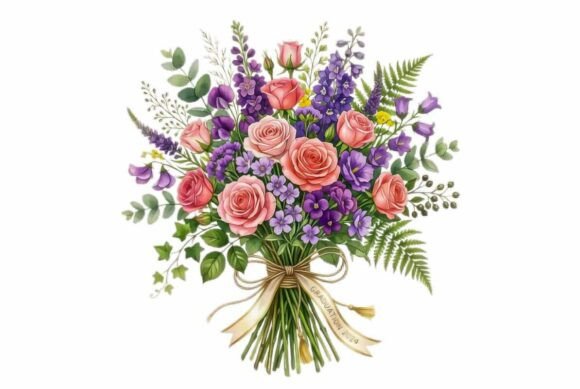
Watercolor Fresh Bouquet Clipart for Wedding & Floral Designs
Imagine holding a delicate, freshly picked bouquet of flowers. The petals are soft, the colors blend naturally, and the arrangement feels alive. That's exactly the feeling a high-quality watercolor fresh bouquet clipart brings to your creative projects. Whether you're designing wedding invitations, building a brand identity, or crafting social media content, these floral illustrations offer a timeless elegance that photographs and flat graphics sometimes struggle to achieve. With their transparent backgrounds and high-resolution detail, they integrate seamlessly into any design, saving you hours of work while elevating the final result.
Why Watercolor Florals Resonate with Modern Audiences
There's something deeply human about watercolor art. The gentle washes of color, the subtle texture of the paper showing through, the organic imperfections that make each stroke unique—these qualities connect with people on an emotional level. In a digital landscape saturated with sharp vectors and sterile graphics, watercolor elegant bridal bouquet wedding clipart offers a refreshing contrast. It feels handcrafted, personal, and warm. This is precisely why designers, marketers, and entrepreneurs are increasingly turning to these assets for projects that need to communicate authenticity and sophistication.
Consider the wedding industry, for example. A bride-to-be scrolling through Pinterest or Instagram isn't just looking for information—she's looking for a feeling. A beautifully rendered watercolor bouquet on an invitation suite or a wedding website immediately sets a romantic, artisanal tone. It tells her that the brand or designer behind the piece values beauty, attention to detail, and craftsmanship. That emotional connection is incredibly powerful, and it starts with the visual elements you choose.
Practical Applications Across Industries
The versatility of watercolor bouquet clipart is one of its greatest strengths. These assets aren't limited to a single niche or project type. Here's where they truly shine:
- Wedding Stationery and Invitations: From save-the-dates to thank-you cards, watercolor florals add a romantic, bespoke quality that couples adore. Layer them behind text, use them as corner accents, or create full border designs.
- Branding and Logo Design: For businesses in the beauty, wellness, lifestyle, or floral industries, incorporating watercolor elements into a logo or brand mark creates instant recognition and emotional appeal. Think about a florist's business card or a spa's menu—these details matter.
- Packaging Design: Product labels, gift boxes, and shopping bags benefit enormously from floral watercolor accents. They suggest premium quality and natural ingredients, which resonates with eco-conscious consumers.
- Social Media Graphics: Instagram posts, Facebook covers, Pinterest pins, and story templates become instantly more engaging with watercolor florals. They stop the scroll and invite interaction.
- Website and Blog Design: Headers, featured images, sidebar decorations, and about-page backgrounds gain depth and personality with these illustrations. They help break up text-heavy pages and guide the reader's eye.
- Print Materials: Posters, flyers, brochures, and business cards all benefit from the tactile quality that watercolor imagery suggests, even in digital print.
- Merchandise and Digital Products: From tote bags and mugs to printable wall art and digital planners, watercolor bouquets are bestsellers on platforms like Etsy and Creative Market.
- Editorial Layouts: Magazine spreads, e-book covers, and newsletter headers gain a polished, professional look with carefully placed floral elements.
Choosing the Right Clipart for Your Project
Not all clipart is created equal, and when you're working on a professional project, quality matters more than you might think. Here's what to look for when selecting watercolor bouquet assets:
Resolution and Detail: A file at 300 dpi ensures your designs look crisp in print, not just on screen. This is especially important for wedding invitations, posters, and packaging where close-up viewing is common. High detail means the brushstrokes, petal textures, and color gradients are visible and realistic.
Transparent Background: PNG files with transparent backgrounds are essential for layering. They allow you to place the bouquet over any color, pattern, or photograph without awkward white boxes or jagged edges. This flexibility is non-negotiable for professional work.
Color Palette: Consider whether the clipart's color scheme aligns with your project. Soft pastels work beautifully for spring weddings and feminine branding. Rich, saturated tones suit autumn events and luxury products. Some designers prefer muted, desaturated palettes for a vintage or bohemian aesthetic. Having options—or assets that are easy to adjust—gives you creative freedom.
Style Consistency: If you're building a brand or designing a cohesive invitation suite, look for clipart sets that include multiple arrangements in a consistent style. Mixing watercolor styles can look disjointed and unprofessional. A well-curated set ensures every element feels like it belongs together.
Integrating Florals into Your Brand Identity
For small business owners and entrepreneurs, visual consistency is everything. Your brand identity should feel intentional and unified across every touchpoint—your website, social media, packaging, and print materials. Watercolor bouquet clipart can serve as a foundational visual element that ties everything together.
Start by selecting a primary floral arrangement for your main logo or brand mark. Then, use complementary bouquets or individual floral elements from the same set for secondary applications. A smaller sprig might work for social media icons, while a fuller arrangement could anchor your website header. The key is repetition with variation—your audience should recognize your brand instantly, even without seeing your name.
This approach works exceptionally well for businesses in wedding planning, event coordination, floral design, beauty products, artisanal goods, and lifestyle coaching. It communicates warmth, creativity, and attention to detail without a single word.
Typography Pairings That Complement Watercolor Art
Watercolor florals have a distinct personality—organic, flowing, and often romantic. The typography you pair with them should enhance that quality, not compete with it. Here are some practical pairing strategies:
Script and Handwritten Fonts: These naturally echo the fluid, hand-painted quality of watercolor. A elegant script font for headings paired with a clean sans serif for body text creates a beautiful balance between artistry and readability. Just be cautious with overly ornate scripts that sacrifice legibility at smaller sizes.
Serif Fonts: A classic serif typeface brings a sense of tradition and refinement that pairs well with watercolor florals, especially for editorial layouts, wedding invitations, and luxury branding. Think of fonts like Playfair Display or Cormorant Garamond—elegant without being fussy.
Sans Serif Fonts: For a more modern, minimalist approach, pair watercolor bouquets with a clean sans serif. This combination works well for brands that want to feel contemporary and approachable while still incorporating organic, artistic elements. The contrast between the structured type and the loose florals creates visual interest.
The best approach is to test your pairings in context. Mock up a business card, a social media post, or an invitation before committing. Pay attention to hierarchy—your most important text should be the most prominent, and the florals should support the message, not overshadow it.
Licensing and Commercial Use Considerations
Before you download and use any clipart in a commercial project, always review the licensing terms. Some assets are free for personal use only, while others require a commercial license for business applications. Premium clipart often comes with clear, straightforward licensing that covers a wide range of uses—print, digital, merchandise, and client work. This is worth the investment if you're a professional designer or business owner, as it protects you legally and ensures the creator is fairly compensated.
Look for licenses that explicitly allow modification, as you may want to recolor, resize, or composite the florals into larger designs. Also, check whether the license covers unlimited projects or is limited to a specific number of uses. Understanding these details upfront saves headaches later.
Making the Most of Your Design Assets
Watercolor fresh bouquet clipart is more than just a decorative element—it's a strategic design tool. When used thoughtfully, it builds brand recognition, evokes emotion, and communicates quality. Whether you're a freelance designer creating wedding suites for clients, a small business owner developing product packaging, or a content creator building a cohesive Instagram aesthetic, these assets offer incredible value and versatility.
The key is intentionality. Don't scatter florals randomly across your designs. Instead, think about placement, scale, and context. Use them to draw attention to key information, frame important text, or create visual pathways that guide the viewer's eye. When every element serves a purpose, your designs become not just beautiful, but effective.
Invest in quality assets, pair them with thoughtful typography, and always keep your audience's experience at the center of your creative decisions. That's the difference between designs that look nice and designs that truly work.