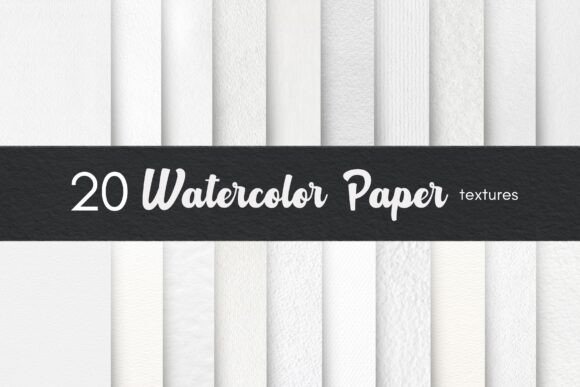
20 Watercolor Paper Textures for Authentic Digital Design
There's a certain magic to watercolor paper—that subtle grain, the way it absorbs pigment, the slight imperfections that make each sheet unique. In our increasingly digital world, these organic textures can be the secret ingredient that transforms flat, sterile designs into something that feels crafted, warm, and genuinely human. Whether you're designing a wedding suite, building a brand identity, or creating printable products, the right paper texture background does more than just fill space; it tells a story of artistry and care.
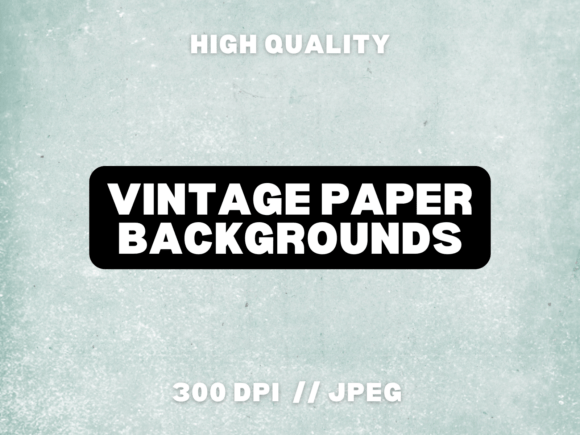
This collection of 20 high-resolution watercolor paper textures captures that authentic, handcrafted quality. Each background features a soft, white textured paper with the nuanced depth of real watercolor sheets, providing a versatile foundation for countless creative applications. The subtle variations in tone and grain offer a minimalist yet professional touch, making them ideal for designers, artists, and entrepreneurs who want to add a layer of sophistication without overwhelming their core message.
Why Texture Matters in Visual Communication
Texture is a fundamental element of design that often operates on a subconscious level. A smooth, digital-only surface can feel clean but sometimes cold or impersonal. Introducing a realistic watercolor paper texture adds a tactile quality that viewers almost instinctively respond to. It evokes feelings of tradition, craftsmanship, and authenticity. For a small business owner, this can translate directly into perceived value—your packaging or product mockups feel more premium. For a blogger, it makes your graphics more inviting and shareable. This isn't just decoration; it's strategic visual communication that enhances brand recognition and audience engagement.
Think about your favorite boutique brands or artisanal shops. Their visuals often use textures, natural fibers, and materials that suggest a hands-on process. These watercolor backgrounds serve a similar purpose in the digital realm. They bridge the gap between the convenience of digital creation and the desirable qualities of physical artistry.
Practical Applications for Creative Professionals
The true power of a versatile asset like this lies in its adaptability. These printable paper backgrounds are designed to integrate seamlessly into a wide array of projects, saving you time while elevating the final output. Let's explore some concrete ways you can put them to work.
- Brand Identity & Marketing: Use the textures as a background for your logo presentations, business cards, letterheads, and brand moodboards. The consistent use of a specific texture across your materials builds a cohesive visual language. For social media graphics—Instagram posts, Facebook headers, Pinterest pins—these backgrounds provide a beautiful, unobtrusive stage that makes your text and imagery pop while maintaining a curated aesthetic.
- Print & Stationery: This is where watercolor paper textures truly shine. Design stunning wedding invitations, RSVP cards, menus, and ceremony programs that feel luxurious in hand. Create printable stationery sets, planners, or journal pages for sale or personal use. The 300 DPI resolution ensures crisp, professional results every time, whether you're printing at home or sending files to a professional printer.
- Digital Design & Web: Integrate the textures into website backgrounds, blog post featured images, or email newsletter headers to add visual interest and warmth. For digital artists using Procreate or Photoshop, these files work perfectly as texture overlays, adding a layer of grit and realism to digital paintings or illustrations. They're also ideal for creating mockups for digital products like e-books, online course materials, or printable art.
Integrating Texture with Typography and Layout
A common challenge when using textured backgrounds is ensuring readability. The key is to create contrast and hierarchy. These white textured paper backgrounds are particularly effective because they offer a neutral, light base that doesn't compete with your content. Here’s how to make the most of them:
Typography Pairing: Pair the organic texture with clean, modern typography for a balanced look. A crisp sans-serif font for body text ensures legibility, while a complementary serif or elegant script font for headlines can enhance the artisanal feel. Avoid overly decorative or thin fonts that might get lost in the paper grain. Always test your font pairings on the actual texture at the final size to check for clarity.
Layout Strategy: Use the texture as a full background, or strategically place it within frames, borders, or behind text boxes. For a more minimalist approach, consider using a solid color block for your main text area and using the watercolor texture as an accent panel. This maintains readability while still incorporating the desired aesthetic. When designing for print, remember that the texture will interact with ink—using slightly bolder fonts or increasing tracking can help maintain sharpness.
Choosing and Using Your Design Assets Wisely
When selecting design assets, quality and flexibility are paramount. This collection provides 20 distinct variations, allowing you to choose the perfect texture for each project's mood—whether it's a subtle, almost imperceptible grain or a more pronounced, artistic effect. The high-resolution files (5000 x 4200 pixels at 300 DPI) give you ample room to crop, scale, and manipulate without losing quality, making them suitable for both small digital graphics and large-format prints.
Before finalizing any project, consider the end use. For web design, you may need to optimize the file size for faster loading. For print, ensure your color profile is set correctly (CMYK for professional printing). The instant download format means you can start experimenting immediately. Use these textures as a starting point; layer them, adjust their opacity in your design software, or combine them with other elements to create something entirely new.
Ultimately, the goal is to create visuals that resonate with your audience on a deeper level. By incorporating these authentic watercolor paper textures, you're not just adding a background—you're infusing your work with a sense of craftsmanship, warmth, and attention to detail that stands out in a crowded digital landscape. It’s a simple yet powerful way to make your designs feel more personal, professional, and memorable.